
Compare the Full Cost Before Choosing a Bitcoin Casino
 Available in US
A cashier’s crypto label is not enough: the asset, exchange route, fees and withdrawal approval all affect how a transaction works.
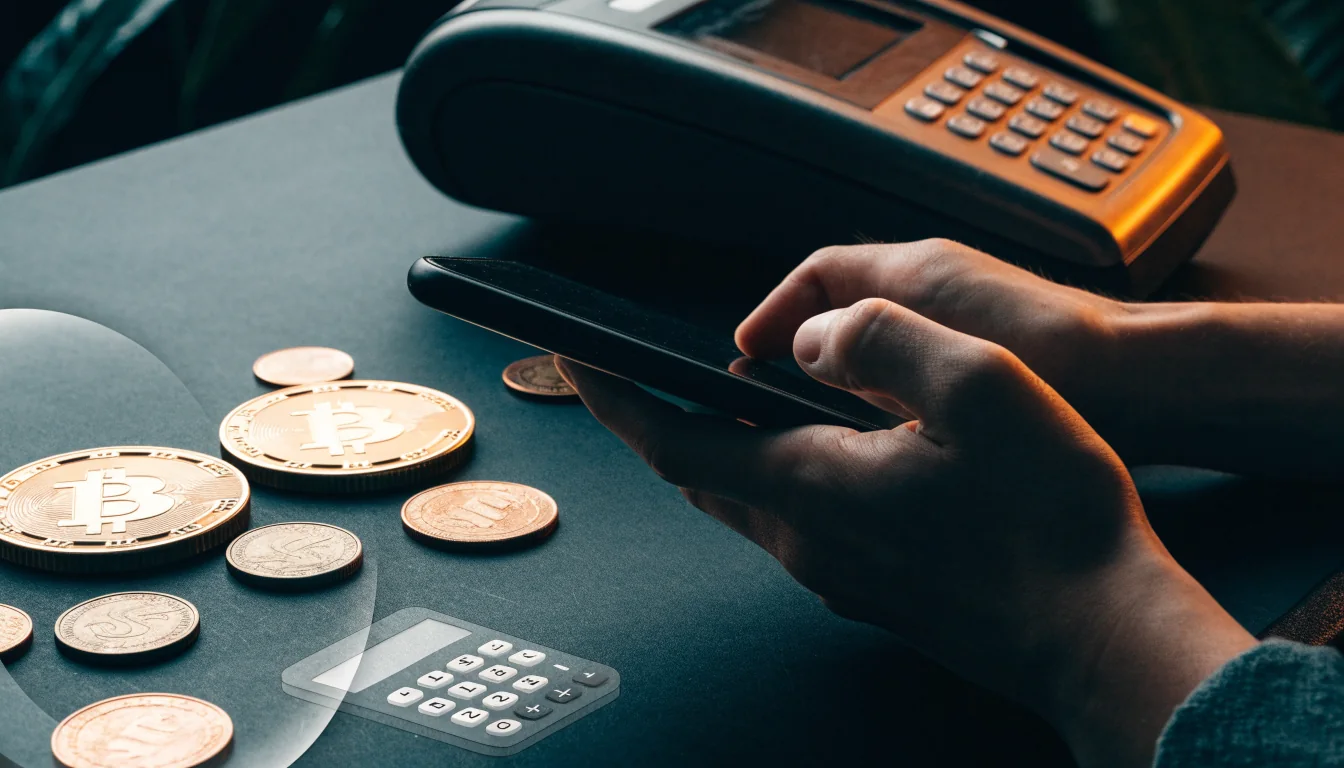
Bitcoin Cash Casinos: Compare the Cost, Not the Label
A Bitcoin Cash casino claim says little about the amount that will remain after a transaction. The relevant figure is the total cost of moving value through the cashier, payment provider, bank or card issuer, exchange and network. A method with no visible casino fee can still cost more than one that displays a charge, because the exchange rate may contain a spread or the network may add a separate fee.
Bitcoin Cash and Bitcoin are distinct cryptocurrencies. A cashier listing one does not establish that it accepts the other, and a general reference to crypto does not reveal the terms for a particular asset. Even where a payment option is displayed, its name is not a cost calculation. The comparison needs to follow the actual currency, transaction amount and exchange route.
Build the cost from each component
A specialist payment-cost review identifies several possible parts of the total: a casino charge, a payment-provider fee, a fee from a bank or card issuer, an exchange-rate spread and a network fee. Not every transaction incurs every item, and the party responsible for a charge can differ. The useful comparison is therefore based on the terms shown for the specific route, rather than a headline claim such as “fee-free”.
When considering a Bitcoin casino in the UK, check the available payment methods and payout terms before choosing where to play. The entries below include the payout-speed information available for each operator.
-
Zombillion
- Payout speed
- 1-3 business days
Zombillion's stated payout speed is 1–3 business days.
-
WinBeast
- Payout speed
- 1-3 business days
WinBeast's stated payout speed is 1–3 business days.
-
x3bet
- Payout speed
- 1-3 business days
x3bet's stated payout speed is 1–3 business days.
-
SlotoSport
- Payout speed
- 1-3 business days
SlotoSport's stated payout speed is 1–3 business days.
-
NightWin
- Payout speed
- 1-3 business days
NightWin's stated payout speed is 1–3 business days.
-
Revery Play
- Payout speed
- 1-3 business days
Revery Play's stated payout speed is 1–3 business days.
-
Amunbet
- Payout speed
- 1-3 business days
Amunbet's stated payout speed is 1–3 business days.
-
BeOnBet
- Payout speed
- 1-3 business days
BeOnBet's stated payout speed is 1–3 business days.
-
Britsino
- Payout speed
- 1-3 business days
Britsino's stated payout speed is 1–3 business days.
-
SpinFormula
- Payout speed
- 1-3 business days
SpinFormula's stated payout speed is 1–3 business days.
The calculation can be expressed simply:
Total cost = casino charges + provider charges + issuer or bank charges + conversion cost + network cost.
The amount debited from an account is not necessarily the same as the value credited to a casino balance. If a currency conversion takes place, the exchange rate used determines how much value is lost between those figures. If the casino balance, payment account and cryptocurrency are denominated differently, more than one conversion may be involved. Each step can alter the final amount.
A flat charge is easier to spot because it appears as a stated amount. A spread is less obvious: it is the difference between the rate applied to the transaction and a reference rate. A specialist review notes that this difference can outweigh a visible flat fee. The comparison should therefore include the rate itself, not only the cashier’s fee line.
Compare like with like
A meaningful comparison uses the same transaction amount and the same starting and ending currencies. Otherwise, one route may appear cheaper simply because it was assessed at a different scale or avoided a conversion that the other route required. The relevant question is not whether a method is described as low-cost, but how much value arrives after all charges have been applied.
 Casinos that accept Boku in the UK: how deposits workSee how Boku deposits are verified by text, why available amounts may be limited to multiples of £10, and how cashier options…
 Casinos That Accept Citadel in the UKLearn how to check Citadel in the cashier, bonus eligibility and withdrawal routes. A listed payment method does not by itself make…
For a Bitcoin Cash payment, the calculation should distinguish the amount sent from the amount credited. If the cashier quotes a credit in pounds, compare that quote with the value of the cryptocurrency being spent at the time the transaction is priced. If the cashier instead keeps the account in cryptocurrency, check whether any conversion is made elsewhere in the route. The label on the payment button cannot answer that.
Network costs also belong in the total. They are separate from a casino’s own charge and may not appear in the same place in the checkout flow. A provider can set its own fees, while the casino can apply separate cashier terms. Combining them into one figure prevents a low fee in one part of the route from hiding a higher cost elsewhere.
There is no universal lowest-fee payment method. A comparison has to use the actual amount and include casino charges, provider fees, currency spread and network cost. A route that is economical for one transaction size or currency combination may not be economical for another. Without those inputs, “cheapest” is a label, not a result.
Check the rate as well as the fee
Currency conversion deserves particular attention because it may be embedded in the rate rather than presented as a separate charge. A transaction can show no conversion fee while still applying a less favourable exchange rate. In that case, the cost is present in the difference between the rate used and the reference rate, not in a line item called “fee”.
The amount to compare is the net value after conversion and charges, not the advertised value before them. Where a payment involves cryptocurrency and pounds, the exchange point matters: the casino, provider or another service may perform the conversion. Each party’s rate and charges can affect the result. A clear comparison records which rate is used and who applies it.
The same method applies when assessing claims about the best Bitcoin Cash casino in the UK. A prominent cryptocurrency logo, a “zero fee” statement or a favourable headline rate is not enough to establish a lower total cost. A defensible comparison needs the actual cashier terms for the relevant currency and the charges applying to the transaction. The price of the route is the amount lost across all of its components, not the most attractive line on the page.
A cost check should therefore end with one figure: the total deducted or spent, set against the value credited. If either side depends on an undisclosed conversion rate or an unshown fee, the comparison is incomplete. That does not prove the route is expensive; it means the available price cannot yet be compared on equal terms.
What “Online Bitcoin Casino” Means in the UK
A website can mention Bitcoin without making it available as a payment option to a UK customer. A page may discuss cryptocurrency, display a coin logo or describe a payment method that applies in another market. None of those details confirms that Bitcoin appears in the cashier for a UK account.
 Casinos That Accept Litecoin in the UK: What to CheckLearn how to check Litecoin support in a casino cashier, distinguish payment options from slot rules, and assess withdrawals and conversion costs.
 Casinos That Accept Giropay UK: Deposits and TermsLearn how to check Giropay availability, bonus eligibility, withdrawal rules and account controls. Promotions determine which deposits qualify.
The practical distinction is between general site content and an available transaction option. A Bitcoin casino in the broadest sense may be a site that refers to cryptocurrency somewhere on its pages. For a UK account, the more useful meaning is narrower: the cashier offers Bitcoin for the relevant account and permits the transaction under the site’s current terms. Marketing language is not a substitute for that check.
A specialist review of casino payment methods describes sites listing Visa, Mastercard, bank transfers, e-wallets and several cryptocurrencies. That range says something about the methods discussed on those sites; it does not establish that every listed method is enabled for every customer. Payment availability can depend on the account’s country and the cashier’s current configuration. A cryptocurrency mention therefore needs to be treated as a lead to verify, not as confirmation.
Check the UK account, not just the website
The relevant test is whether Bitcoin is presented as an available option after the account is set up for the UK market. A general payments page may cover multiple countries or describe methods without separating availability by location. A cashier viewed under a different country setting may also show a different selection. The account-specific display is more informative than a broad statement that a site “supports crypto”.
The distinction matters because “Bitcoin accepted” can describe several different things. It may refer to a general site feature, an option available only in some regions, or a method that is not currently offered to a particular account. Unless the UK account can select Bitcoin in its cashier, the claim does not establish usable UK availability.
The same caution applies to card logos. A specialist review may list Visa and Mastercard, but that does not prove that a particular card product will work for a UK customer. Current availability and card-product eligibility need to be checked in the cashier. A logo is evidence that the method is mentioned, not that the account can complete a transaction with it.
This is a question of payment availability, not a ranking of casinos. No conclusion about one site follows from the presence of Bitcoin language on another site, and a list of cryptocurrency symbols cannot be treated as a verified menu for UK customers.
Availability sits within the UK regulatory framework
The payment method does not determine whether a site is legally permitted to serve the British market. Remote gambling licensees selling into Great Britain must hold the relevant Gambling Commission licence, wherever the business is based. Online gambling is legal in the UK only through licensed and regulated sites, and customers must be aged 18 or over.
That means “online Bitcoin casino UK” cannot be read simply as “a site that accepts Bitcoin and can be opened from the UK”. Physical access to a website and lawful authorisation to offer gambling to British customers are separate matters. A cryptocurrency option does not replace a UK operating licence, and a UK licence does not by itself prove that Bitcoin is enabled in the cashier.
 Casinos That Accept Dogecoin in the UK: PaymentsLearn how to check whether Dogecoin is accepted, whether a deposit qualifies for a bonus, and what payment terms to confirm before…
 Casinos That Accept Interac in the UK: Payment TermsLearn how to check whether Interac is available for an account, whether deposits qualify for bonuses, and how payment and withdrawal rules…
The licence and the payment menu answer different questions. The licence concerns whether the operator is authorised to offer gambling in the market. The cashier concerns which payment methods are currently available to the account. Both checks matter; neither can stand in for the other. The UK Gambling Commission’s public register is the place to confirm an operator’s licence status before depositing.
Treat the payment label as a claim to test
A reliable check is specific: the account is set for the UK, Bitcoin appears among the selectable payment options, and the cashier’s instructions apply to that account. If the site only names cryptocurrencies in an article, banner or general payments page, the UK option remains unconfirmed. If the cashier lists several coins, that still does not prove that Bitcoin itself is one of them.
Names and logos can also create false equivalence. “Cryptocurrency” is a category, not a single payment method. A reference to one digital currency does not establish availability of another. The exact currency shown in the account’s payment interface is what matters.
The same standard applies when information is copied between pages or repeated in reviews. A statement that a site accepts Bitcoin may have been accurate for a different country, account type or point in time. Without the UK cashier confirming the option, it should not be read as a present-tense promise. For a UK customer, the useful definition of an online Bitcoin casino is therefore not a site that talks about Bitcoin, but a properly authorised gambling site whose current UK account interface actually offers it.
Do
- Set the account for the UK market
- Verify Bitcoin is a selectable option in the cashier
- Confirm cashier instructions apply to the account
Don't
- Rely on mentions in articles or banners
- Assume "cryptocurrency" implies Bitcoin availability
- Trust information copied from other markets
Bitcoin Deposits, Bonuses and the Amount at Risk
A Bitcoin deposit should be assessed by the amount the cashier permits, the account’s deposit controls and the promotion terms attached to that payment route. A currency appearing in promotional wording is not proof that it can be selected for a UK account. The cashier and the applicable terms determine whether Bitcoin is available and what conditions apply.
A specialist casino review places minimum deposits in a range of £10–£20, with the threshold depending on the selected payment method. That range is not a promise for every account or payment option. The cashier’s displayed minimum is the operative figure: a deposit below it may not be accepted, while depositing more simply to reach a threshold increases the amount exposed to play.
The maximum is a separate question. Payment-specific caps may apply per transaction, per day or per month, and account status can affect them. A limit shown for one method does not establish the limit for Bitcoin, or for another account. The relevant amount is the one attached to the selected route and account at the time of deposit. Where the cashier gives more than one ceiling, each has to be read on its own terms; a per-transaction maximum does not replace a daily or monthly cap.
The UK Gambling Commission requires remote operators to ask new customers to set a financial limit before their first deposit and to make account-level limit controls accessible. These controls matter to the amount entering the account, not just the amount available for one transaction. A payment cap and an account limit can operate separately, so the lower applicable ceiling determines what can be deposited.
 Casinos That Accept Monzo UK: Payment GuideLearn how Monzo card acceptance differs from Pay by Phone, why deposits may not qualify for bonuses, and why withdrawals need a…
 Casinos That Accept CashToCode in the UK: What to CheckNo UK casino can be confirmed here as accepting CashToCode; availability depends on the options shown in the relevant account’s deposit cashier.
Credit-card funding is not an alternative way to reach a deposit threshold at a UK-licensed casino. The regulator’s ban on credit-card gambling took effect on 14 April 2020 and remains in force. A deposit option must therefore be assessed on its actual funding source, not just on the name displayed in a payment menu.
Bonus eligibility is another calculation. The advertised value is not the amount automatically available: the terms may define which payment methods qualify, what must be done to claim an offer and what restrictions apply to any resulting balance. A Bitcoin casino no-deposit bonus should not be treated as available merely because a page uses that label. Availability for a UK account and eligibility for the relevant payment route need to be established in the terms before the offer is counted.
A specialist casino review reports that PayPal, despite being valued for speed and convenience, may be excluded from bonus eligibility. That is a report about a particular kind of source, not a rule for every operator. The same practical distinction applies to any proposed Bitcoin-funded offer: the presence of a promotion does not prove that the chosen deposit method qualifies. If the terms do not clearly connect the payment route to the promotion, the bonus value belongs outside the deposit calculation.
For a deposit decision, the useful figure is therefore not the headline bonus. It is the amount the cashier accepts, within the applicable account and payment limits, plus only the promotional value whose eligibility is explicit. Anything less certain is packaging, not available balance.
Bitcoin Casinos Outside GamStop: What the Available Evidence Can Establish
“Not on GamStop” and “accepts Bitcoin” describe separate things. The first is a claim about an operator’s relationship to a self-exclusion scheme; the second concerns a payment option. Neither claim establishes the other, and neither establishes that a casino is authorised to serve customers in the UK.
A site may mention Bitcoin without making it available in the cashier to a UK account. Equally, a Bitcoin option would not prove that the operator is outside GamStop. A casino’s branding, payment logos or promotional wording cannot substantiate both claims.
The distinction matters because GamStop status is not a substitute for checking the operator’s regulatory position. Remote gambling businesses serving Great Britain must hold the relevant UK Gambling Commission licence, wherever they are based. Online gambling in the UK is legal only through licensed and regulated sites. An offshore casino without a UKGC licence operates outside that system; a claim about GamStop does not change that.
The UK Gambling Commission’s public register is the relevant place to confirm a licence. A matching name alone is not enough if the licence number or the company operating the site differs. Licence status and payment availability should be treated as separate checks, rather than combined into a single label such as “UK Bitcoin casino”.
Search phrases such as “Bitcoin casinos not on GamStop UK” can make the category sound settled. They do not establish that any particular operator fits it. A page using that wording may repeat an operator’s own claim or describe a payment method without confirming either the GamStop status or UK licensing position. Repetition is not independent confirmation.

That leaves a narrow, practical conclusion: a non-GamStop Bitcoin casino cannot be recommended simply because both terms appear on its website. A specific operator would need to be identifiable, its UK regulatory position would need to be clear, and the Bitcoin option would need to be available to the relevant UK account. Without those separate checks, the label is not a usable basis for choosing where to gamble.
For anyone affected by gambling-related harm, an operator’s relationship to GamStop is not a safety endorsement. Nor does Bitcoin make gambling anonymous or remove the rules applying to a UK-facing casino. The payment method and the operator’s regulatory status remain distinct issues; treating one as proof of the other adds no useful certainty.
Free Spins and Bitcoin Deposits: Check the Promotion Terms
A free-spin offer and a Bitcoin deposit are separate conditions. A promotion may be visible on a casino’s website without being available to every account or payment method. The relevant question is not whether a site advertises free spins, but whether its terms allow the particular Bitcoin-funded account to claim them.
A “Bitcoin casino with free spins” is not a useful description unless the promotion rules connect the two. Check the offer’s eligibility wording for excluded payment methods, qualifying deposit methods and any requirement to opt in. If Bitcoin is not named clearly, the offer should not be treated as confirmed for Bitcoin deposits. A general statement that a casino accepts cryptocurrency does not settle the promotion question.
Promotion eligibility checks
Confirm if the promotion rules explicitly name Bitcoin as a qualifying deposit method and check for any required opt-in steps or excluded payment methods.
Payment exclusions are not limited to cryptocurrency. A specialist review has reported that Skrill and Neteller are sometimes excluded from promotions; that observation is not a rule for every casino or a guarantee about current terms. It does show why an advertised bonus cannot be assumed to apply to every payment route. The same distinction matters when checking free spins: the cashier’s available methods and the promotion’s eligible methods may not be identical.
The offer terms should also establish what the spins apply to, when they are credited and what happens to any resulting winnings. Those conditions determine the value of the promotion. A headline number of spins, by itself, says little about the practical benefit if the eligible game, expiry condition or winnings rules are restrictive. The written terms, rather than the promotional banner, are the operative record.
Bitcoin-specific wording deserves particular care. A page may mention Bitcoin in one place and free spins in another without promising that the two can be combined. Before accepting an offer, check that the promotion applies to the account’s chosen payment method and that any required activation step has been completed. If the terms are silent or ambiguous, the offer should be valued as unavailable until the operator confirms otherwise.
This is especially relevant when a promotion is described as “no deposit” or as attached to a deposit. The label does not resolve whether a Bitcoin transaction qualifies, nor does it replace the conditions governing the spins or resulting winnings. Separate terms may apply to separate offers, even where the same casino displays them together.

A practical check is to compare the promotion terms with the cashier at the point the offer is claimed. Confirm the permitted payment methods, any opt-in requirement, the applicable games and the conditions attached to winnings. Save the terms shown at that time. Promotional wording can change, and a later version may not match the offer available when the account was opened.
No particular Bitcoin-funded free-spin offer should be inferred from a casino’s general promotion page. Treat the offer as valid only when its terms expressly cover the payment route and the account meets the stated conditions. The distinction is simple: free spins may be advertised, Bitcoin may be accepted, and the combined offer may still not apply.
Bitcoin Slots and UK Play Conditions
A slot described as a Bitcoin game does not sit outside the rules for online slots in Britain. The payment label does not change the permitted stake, the minimum spin duration or the ban on autoplay. Those conditions concern the game itself, not the currency used to fund an account.
Remote gambling licensees serving Great Britain must hold a UK Gambling Commission licence. Online gambling is legal in the UK only through licensed, regulated sites, and play is restricted to adults aged 18 or over. A Bitcoin label is not a substitute for those requirements. Northern Ireland has a different legal framework from England, Wales and Scotland, so rules framed around Great Britain should not be treated as a complete account of Northern Irish law.
Stake limits depend on age
For online slots, the maximum stake per game cycle is £5 for customers aged 25 and over. For customers aged 18 to 24, the cap is £2 per game cycle. The higher limit for adults aged 25 and over took effect on 9 April 2025. These are maximum stakes, not recommended amounts, and a particular game or account may apply a lower limit.
The per-cycle wording matters: a spin is not a licence to stake beyond the applicable cap by splitting a play into smaller-looking parts. In a Bitcoin casino slot, the same age-based maximum applies as in any other online slot offered under the British regulatory framework. The denomination or display format does not create a separate allowance.
Spin speed and autoplay
Online slot spins in Britain must last at least 2.5 seconds. Autoplay is banned, so a game cannot run a series of spins automatically while the player is disengaged. These restrictions apply to Bitcoin slot machines as well as slots presented in pounds or another currency. A faster animation or cryptocurrency-themed interface does not alter the underlying play conditions.
This also affects how a slot should be assessed: game mechanics and presentation are separate from the payment method. A title marketed as a Bitcoin jackpot slot still falls within the online slot rules if it is offered for real-money play in Britain. The label alone says nothing about whether the game is licensed, what stake cap applies, or whether the format complies with the spin requirements.

The useful distinction is between a game’s branding and the conditions governing real-money slot play. For British customers, age, stake per game cycle, spin duration and the autoplay prohibition remain the relevant checks; cryptocurrency wording does not displace them.
Using Bitcoin for Deposits and Withdrawals: Check the Route Both Ways
A Bitcoin option on a deposit screen does not, by itself, establish that the same route can be used to withdraw funds. The cashier needs to be checked in both directions: whether Bitcoin is available for deposits on the account, and whether it is listed as a withdrawal method under the operator’s conditions. Payment compatibility is a two-way condition, not a feature implied by a logo or a general reference to cryptocurrency.
For a UK account, the relevant terms are those attached to that account and payment route. A casino site may describe Bitcoin as accepted while the available cashier options depend on the customer’s location or account. The deposit method and the withdrawal method should therefore be treated as separate entries until both are confirmed. Where the withdrawal route is not shown, it should not be assumed that funds can be returned in Bitcoin.
Closed-loop rules also affect the route. UK anti-money laundering controls commonly require a payout to go back to the original payment source. An alternative route may call for additional checks rather than functioning as a simple substitute. That matters when the deposit was made through one account or wallet and the withdrawal request names another.
Ownership details are a practical part of the comparison. Account information and payment details belonging to the same customer reduce the chance of avoidable friction caused by a mismatch. The cleanest arrangement is often one named account used consistently for both transactions, where the cashier supports that route in both directions. A deposit made from a route held by someone else, or a withdrawal request naming a different owner, can leave basic ownership questions unresolved.
Before treating any Bitcoin casino site as suitable for a deposit, the payment terms should identify the relevant deposit and withdrawal routes, any closed-loop requirement, and what happens if the original route cannot receive a payout. These are compatibility checks, not assurances about how quickly a transaction will be completed. A method that accepts incoming funds but cannot be used for the return leg is not a complete payment option.
Bitcoin Casino Availability: What Can and Cannot Be Listed
A specialist review of payment options describes Visa, Mastercard, bank transfer, e-wallets and several cryptocurrencies across the websites it covers. That breadth does not produce a reliable list of Bitcoin casinos. A general reference to cryptocurrency does not identify which currency a particular site accepts, or establish that Bitcoin is available to customers in the UK.

A usable list needs an operator name tied to a specific, current payment option. Without that connection, a label such as “crypto-friendly” is too broad to establish that Bitcoin can be used. Nor does a general cryptocurrency mention show that the option is offered to every account or remains available when a transaction is made. Repeating operator names alongside an unverified Bitcoin claim would turn a category description into a recommendation without a sound basis.
The distinction matters when assessing whether a site is a legit Bitcoin casino in the UK. Payment-method wording alone cannot establish that status. Real-money online gambling is legal in the UK only at sites regulated by the relevant local authority; remote gambling licensees serving Great Britain must hold a UK Gambling Commission licence. A cryptocurrency reference is not a substitute for that regulatory status, and a licence does not, by itself, confirm Bitcoin acceptance.
The same standard applies to a list of all Bitcoin casinos. “All” would require a defined market and current confirmation of each named operator’s Bitcoin option. A partial collection of sites mentioning cryptocurrencies cannot meet that standard. In particular, it cannot support a definitive list of Bitcoin casinos in the UK merely because payment pages group several digital currencies together.
A Bitcoin slot is also a separate matter: the presence of a slot game does not verify anything about the casino’s payment methods. Conversely, a site’s mention of cryptocurrency says nothing about which games it offers. These are distinct claims and need separate confirmation.
For a named list to be dependable, each entry would need an attributable operator, a specific Bitcoin payment reference and a clear basis for treating the service as available to UK customers. Without those links, publishing names would imply more certainty than the payment descriptions warrant. A list with unsupported entries is not a useful shortlist; it is a set of claims awaiting verification.
Bitcoin Payouts and Anonymity: Identity Still Matters
A Bitcoin address is not a substitute for an identified gambling account. A payment may be recorded on a public blockchain under an address rather than a person’s name, but that does not make the casino account or its withdrawals anonymous. Remote gambling licensees serving Great Britain operate within a regulatory system that includes anti-money laundering and anti-fraud controls.
For a Bitcoin casino payout in the UK, the operator may need to establish who owns the account and whether the funds are being returned through an acceptable route. KYC checks can connect account details with identity documents and payment information. The fact that a deposit was made in Bitcoin does not, by itself, remove those checks or establish that a wallet belongs to the account holder.
UK anti-money laundering rules generally require a payout to go back to the original payment source. This is a control on the movement of funds, not a promise that every casino handles Bitcoin withdrawals in exactly the same way. Where a return to the original source is not possible, or another route is requested, the operator may ask for additional verification. That can include evidence relating to account ownership or the destination of the funds.
The practical distinction is between pseudonymous payment records and verified access to a gambling account. A blockchain address may not display a customer’s name, yet the operator can still require identity and source checks before releasing funds. An alternative wallet or address should not be assumed acceptable simply because it can receive Bitcoin.
Claims of a Bitcoin casino fast payout or instant withdrawal address timing, not anonymity. A payout still sits within the operator’s account and payment controls, and the payment method does not cancel those controls. For the amount ultimately received, the relevant question is whether the account, original source and proposed return route satisfy the operator’s checks. “Anonymous Bitcoin payout” is therefore not a reliable description of a UK-licensed casino withdrawal.

Bitcoin Withdrawals: “Instant” Depends on Approval
“Instant” can describe only one part of a withdrawal, not the full route from a casino balance to a Bitcoin wallet. Before funds can be sent, the casino may need to review the request and approve it. A specialist review reports that withdrawal processing includes this internal stage and that a first withdrawal may take longer while verification is completed. The label on a payment method does not remove that step.
A separate specialist review notes that withdrawal speed depends on the casino’s approval process and whether the account is fully verified. These are operational conditions, not details that can be inferred from Bitcoin being listed in a cashier. Until approval is complete, a request can remain pending even if the eventual transfer is described as fast.
The distinction is familiar beyond cryptocurrency. A specialist review gives the example of a card deposit arriving instantly while the corresponding payout takes several business days. Deposit speed and withdrawal speed are separate measures: the first concerns money entering the account; the second includes the casino’s handling of a withdrawal request.

For a casino with Bitcoin, “instant withdrawal” therefore needs a precise definition. It might refer to the time after approval, rather than the interval from submitting a request to receiving funds. The available wording should be checked for that boundary, alongside any stated verification requirements. If the casino does not say when its processing clock starts, the headline speed leaves an important part of the calculation unresolved.
A Bitcoin option alone establishes neither a payout time nor a completed transfer. For casinos that accept Bitcoin in the UK, the relevant timing is the whole sequence: request submitted, casino review completed, and payment released. Promotional language that describes only the final step is not a full service-time estimate. The practical comparison is between clearly stated stages, not a single adjective.
Why can a fast payout casino still delay my withdrawal?
A casino must approve the withdrawal internally, and a first payout may take longer while verification is completed. An account that is not fully verified can also slow processing.
What is the fastest withdrawal method for UK casinos?
PayPal, open banking services and debit cards linked to fast payout systems are generally among the quickest options. The casino’s approval process and your verification status also affect how soon you receive the funds.
Which payment methods are accepted in Great Britain?
UK casinos commonly accept Visa and Mastercard debit cards, and some offer PayPal, open banking, bank transfers, Skrill, Neteller or Apple Pay. Paysafecard is for deposits only, and availability varies by casino and account.
Do UK casino withdrawals require verification?
Yes, verification may be needed, particularly before a first withdrawal. Completing it in advance can help avoid delays.
Are fast casino withdrawals guaranteed?
No. Withdrawal speed depends on the casino’s approval process and whether your account is fully verified; bank transfers can also be affected by cut-off times and weekends.
Why must withdrawals return to the deposit method?
Returning funds to the original payment source is a common anti-fraud and anti-money-laundering control. An alternative route may require additional verification.
Is Skrill available?
Yes, Skrill is available at some UK-friendly casino sites and remains a common deposit option. It may be excluded from promotions.
Casino Payments in the UK: Deposit Methods and Options
Content created by the «winkapks.org» team